Belt’s Top Stories of 2023
When trying to describe what exactly I envision the magazine to be, I often joke with people that I aspire for Belt to be The New Yorker of the Rust Belt (except that I’m not really joking).


When trying to describe what exactly I envision the magazine to be, I often joke with people that I aspire for Belt to be The New Yorker of the Rust Belt (except that I’m not really joking).

That observation made me wonder if there might not be something particularly “Shakespearean” about the Rust Belt, the arc of success and devastation, the clashing of all of those villainous characters during the Gilded Age and the nobility of those who resisted them, and the narrative culmination of the post-industrial landscape as blasted as Lear’s heath.
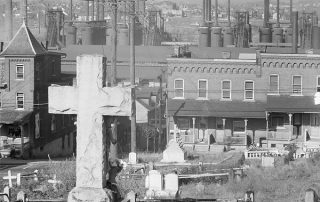
The center didn’t hold. Things fell apart. For the second time in its history, a faith was betrayed and the gates of Eden were soldered shut.
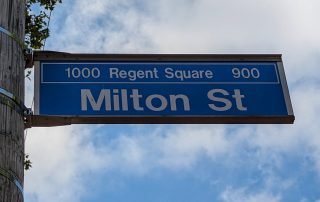
To walk through Frick Park – at least for me – is a pilgrimage into Milton's Paradise Lost, read not in words, lines, and stanzas, but rather rocks, trees, and water.
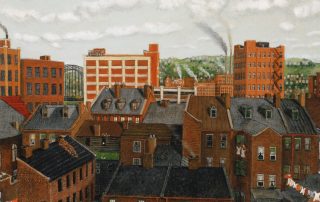
"I do appreciate titles that use the terrain instead of making their characters sit inside. I also enjoy titles that reveal the parts of our region that outsiders are unlikely to see, like Homewood, Butler, or old school, residential Oakland. Yinzers don't gaze down from Grandview Avenue all day like the movies would have you believe."

We've got more planned in the future, including a print anthology of Rust Belt poetry and the production of an original podcast about environmental calamities in our region, but none of this will be possible without your generous support.
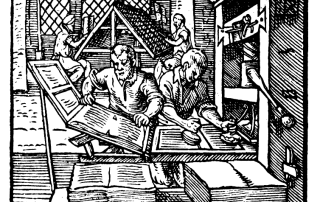
The mark of a brilliant idea, I would argue, is how jealous it makes you feel when you first learn about it. By that criterion, I was incredibly jealous of the organizers of the Rust Belt Humanities Lab.
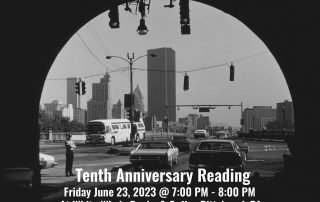
A special in-person reading to celebrate Belt's Tenth Anniversary!

By Ed Simon This year, Belt Magazine has ranged over quite a lot of topics – the corner stores of [...]
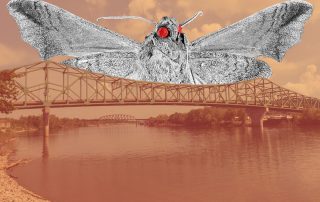
"Folklore is living and breathing, always evolving, and part of contemporary life—the twist you add to an heirloom recipe, a lullaby sung to a child at bedtime, the in-jokes that emerge among families, the vocabulary unique to a particular occupation, the beloved foodways of a certain place, the meme altered and shared among friends."
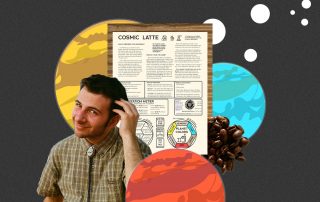
Cooperative games don’t have to be cooperative just amongst players around a table, that cooperation can be the solidarity players feel (and act on) for workers.

In nineteenth-century upstate New York, demons came knocking.