Possibility City
Who knew Cleveland was the place to start a movement?

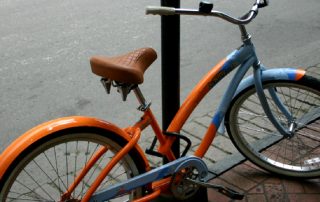
Who knew Cleveland was the place to start a movement?
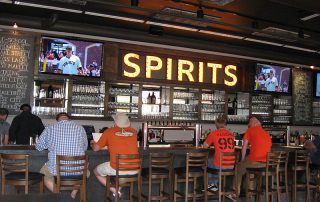
Balancing live, work, and play in Cleveland’s cultural districts.
Where do people go after they’ve lost their homes?
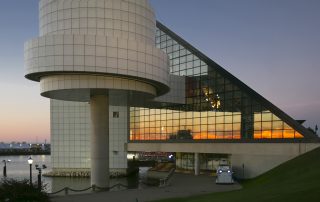
How come a grown woman can’t get a date in this town?
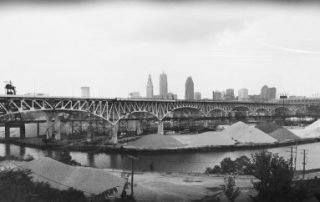
Driving across the Inner Belt Bridge on my way home from a trip to Bogota, I see the cityscape rise before me, lights twinkling and traffic whizzing by, and cynically think to myself that Cleveland looks like a hundred other mid-size cities.
By Pete Beatty. I moved away from Cleveland in 1999. When I return to visit, I spend about 10 percent [...]

When Leslie Cochran, the most famous homeless man in Austin, Texas, died last year, the city, whose unofficial slogan was “Keep Austin Weird,” became a little less weird and quite a bit more square.
A few months ago, I was riding around on my bike from my old neighborhood near the Collinwood rail yards on Cleveland's East Side to my apartment in suburban Lakewood.
City analyses often fall prey to black-and-white narratives. The Rust Belt is either “dead” or “reviving.” Residents are either suburbanites or city dwellers, gentrifiers or natives, boosters or negative nabobs.
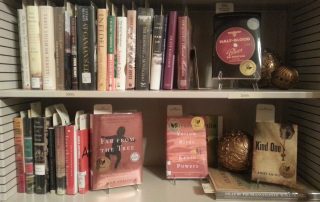
No one stumbles upon the Anisfield-Wolf Book Award collection at the Cleveland Public Library. The books are shelved in three locked cabinets of the Treasure Room, a drum-tight chamber in Special Collections.
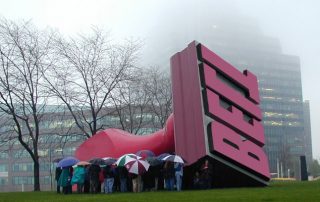
I am in an S & M relationship with Cleveland. I am Cleveland’s slave. For me the “S” of Cleveland’s sadism stands for “seasonal.” All winter long, I withstand what Cleveland wants me to withstand.
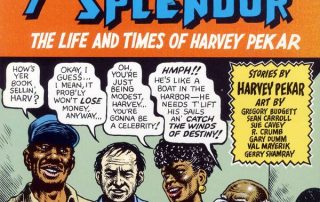
Harvey Pekar — the grouch, the pessimist, the quitter — wrote about the Cleveland that really was — not the Cleveland we aspire to be.