Be the First to Get Belt’s ‘Detroit Neighborhood Guidebook’!
The Detroit Neighborhood Guidebook is ready for pre-order! If you loved A Detroit Anthology and How to Live in Detroit Without Being a [...]


The Detroit Neighborhood Guidebook is ready for pre-order! If you loved A Detroit Anthology and How to Live in Detroit Without Being a [...]

By Tim Carmody In 2016, I voted in my hometown, a Detroit suburb called Madison Heights. (It’s where the [...]

By Matt Stansberry In The Death and Life of the Great Lakes, journalist Dan Egan makes the case that the [...]

I was sitting at home on January 26, reading the news and having a hard time sitting still. The shock of a new president had not (and still has not) worn off, and story after story was pushing me toward a deeper sense of despair. It was far beyond politics—I grew up in rural Michigan, and Republicans are not foreign, scary creatures to me.

Last summer I was at the Soggy Bottom Bar in downtown Flint, Michigan for the launch of Happy Anyway: A Flint Anthology, which I had edited, and author Aaron Foley and I were doing the very cool thing of signing each other’s books.

Ashley E. Nickels and Dani Vilella have joined forces to compile articles, poetry, and personal narratives about and by Grand [...]

I’ve tried over and over and over to try and push out some thoughts about gay life in the Midwest. What exactly is there to be said that would help outsiders understand what we’re like around these parts? I keep coming up short.

In the pre-election media race to locate the “heart of Trump Country,” all finish lines pointed toward Appalachia and the Rust Belt. In declining cities across these sometimes overlapping regions, journalists drank from what appeared to be an infinite well of wrenching stories from economically precarious white voters.
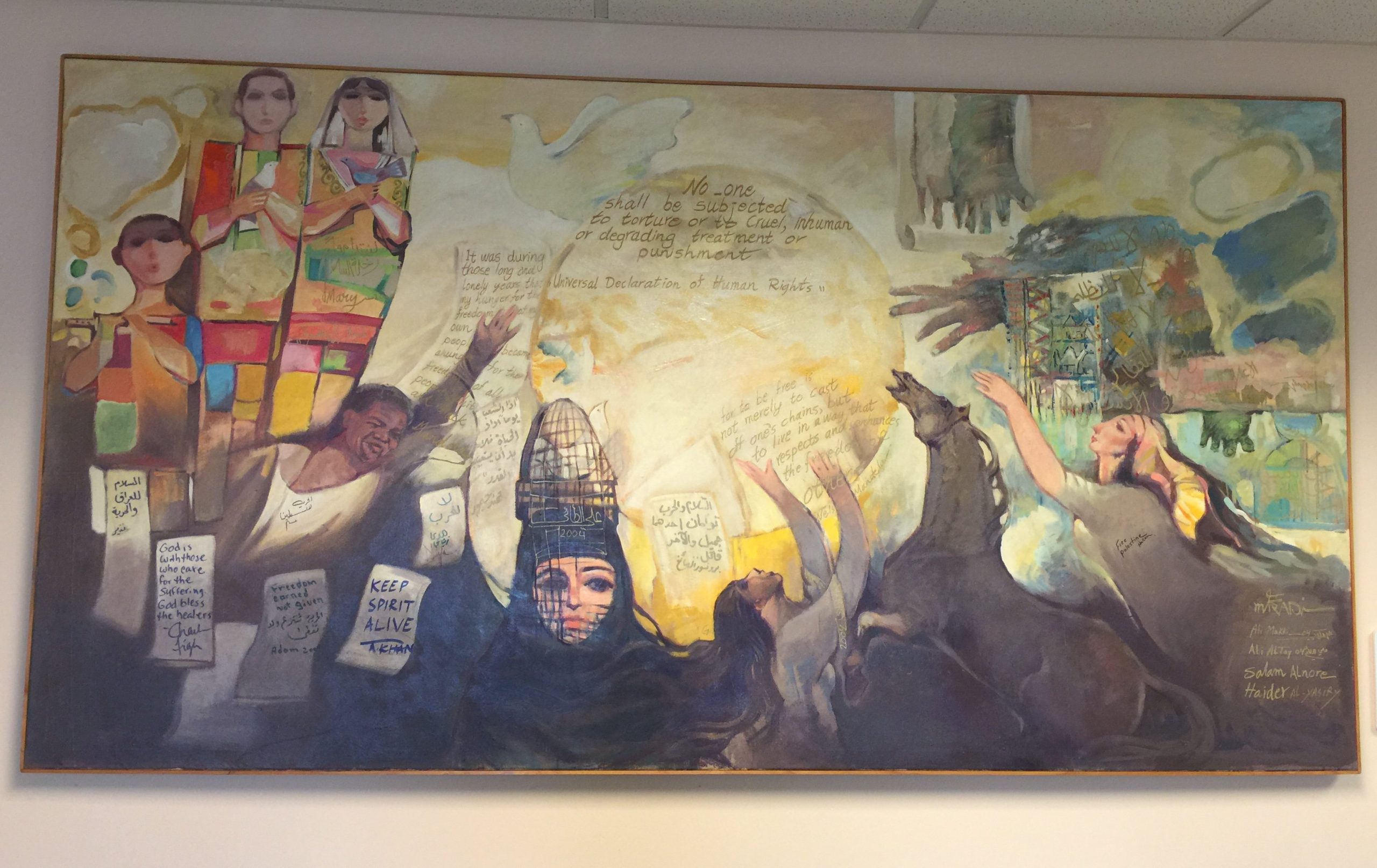
While the USA wrestles with the politics and policies of immigration and refugees, Belt presents nine moving essays about refugees living throughout the Rust Belt…

On Saturday, January 21, the New York Times deployed a dozen reporters far and wide to report on the women’s marches happening across the country.

A few years ago I noticed something about my favorite works of contemporary fiction set in the Midwest: they were all set in the past.

Nestled within some of Pittsburgh’s many wooded hillsides, or “greenways,” are dark corners that harbor vestiges of long demolished houses, city blocks, and even whole neighborhoods.