Giving Voice to the Disappeared
Pittsburgh activist Julia Whiteker bears witness for those disappeared by ICE.


Pittsburgh activist Julia Whiteker bears witness for those disappeared by ICE.

“One time…at a $5 punk salon… a guy with jiggy clippers… said, ‘Are you a model?’ and I, feeling model beautiful, indestructible, let him do whatever and ended up looking like a city rat gnawed my scalp bloody on one side.”

Max Callimanopulos reviews and reflects on James Salter’s “Light Years” for its fiftieth anniversary.

Discovering Pittsburgh’s raunchiest and most welcoming book club: Sex and Death.

“Abernathy may be outnumbered, but he is not alone. This is a picture of two people trusting one another to [...]

"Baseball is poetry in motion." This phrase, one I use a lot, though it might elicit an arched eyebrow from those unfamiliar with the nuances of either pursuit, perfectly encapsulates the grace with which Clemente played the game. His elegant movements in right field, his powerful swing glorified in stanzas, and his laser-like throws from the outfield demonstrated an athletic artistry that few players have matched.

"We can be of our region and communities while also being part of a larger thing—whether that be American poetry, university press publishing, or just publishing in general.”

It’s difficult to associate the Freudian couch with anything other than a New York shrink catering to that unique kind of neurosis that afflicts the upper-crust of the cosmopolitan metropole. However, a good portion of the 100+ LACKers were non-academics—social workers, activists, Amazon Warehouse workers, even a Midwestern pastor, many of whom did not have a graduate degree and most originating from the Midwest.

Saunders grew up in Pittsburgh’s Hill District and attended Saturday art classes at the very museum that houses his first major retrospective exhibition.

Lucy’s is not a white savior story. It’s a complex story about Black emancipation and white allyship, and how in the fight for justice and equity, the best of intentions is absolutely necessary, but often not enough. It’s about how history calls us to follow in their footsteps, but also find ways to do better.

Thanks to Massey’s passion for and proselytization of thin dough and introduction of pepperoni, Columbus pizzerias had developed a distinct style and taste all their own: thin, yeasted crust; a sweet leaning sauce; provolone cheese; generous toppings; party-cut, rectangular pieces; and for some, a cornmeal dusted crust so the dough wouldn’t stick to the deck oven surface.
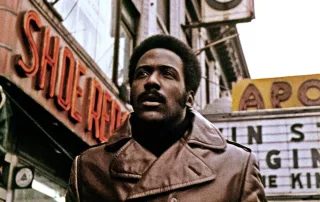
Tidyman may have taken a dim view of his hometown (an anonymous former co-worker said, “He talked about Cleveland like it was a birth defect”), but even he could appreciate its dramatic possibilities.